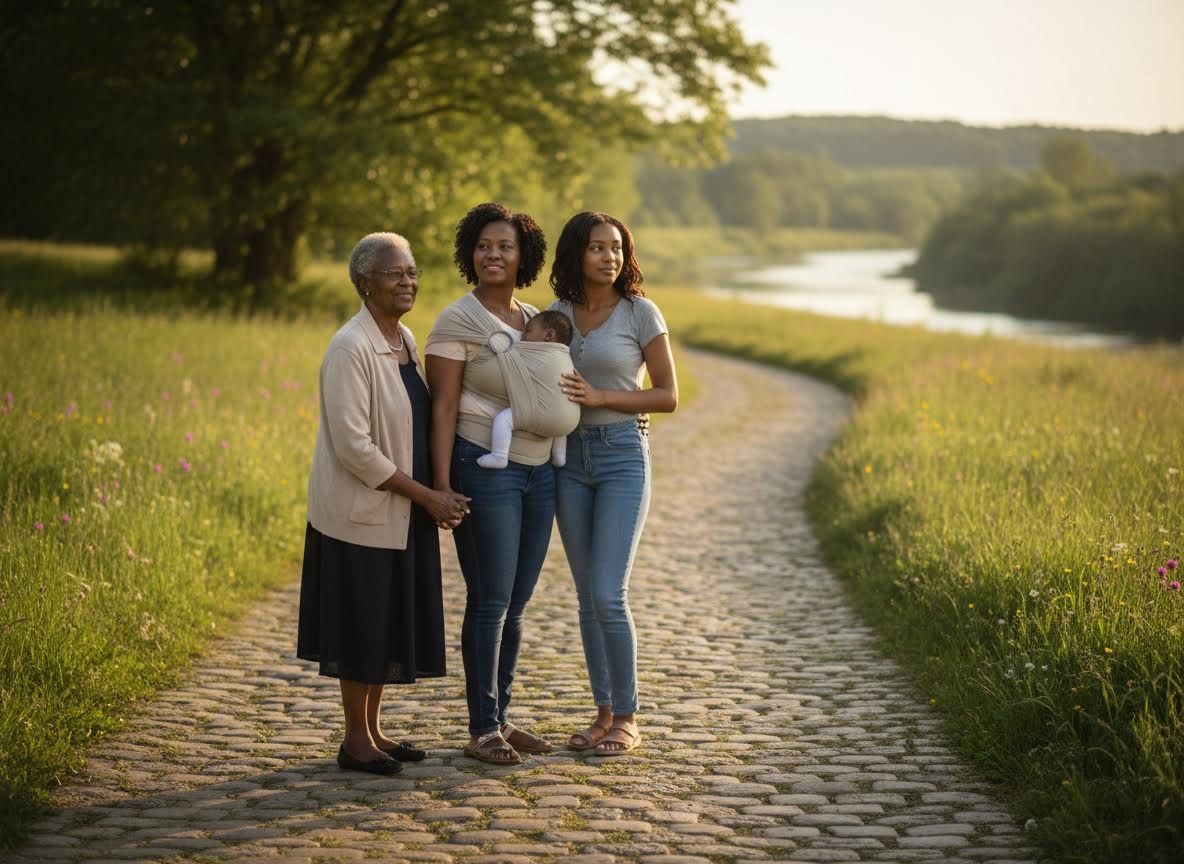
Have you ever felt the echo of past struggles in your own life, a weight that doesn't quite feel like your own? This feeling often stems from what we call generational wounds, powerful legacies passed down through families that can impact our mental and emotional well-being without us even realizing it. At Love and Empathy Counseling, LLC, we understand the profound courage it takes to acknowledge these patterns and begin the journey toward healing, creating a new path forward for yourself and future generations.
Understanding the Roots of Intergenerational Trauma
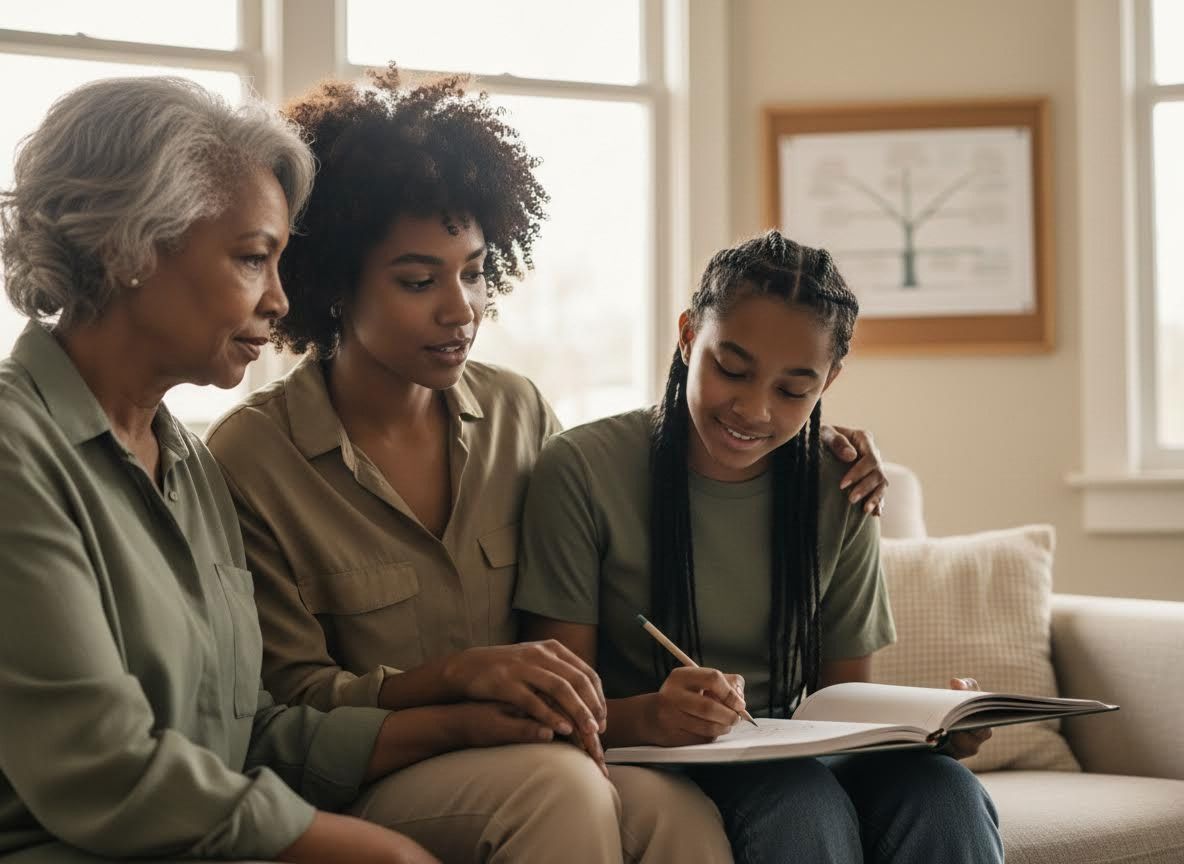
Generational wounds are not just distant stories; they are deeply ingrained patterns, beliefs, and behaviors that can manifest in various ways, from anxiety and depression to relationship struggles and self-worth issues. These wounds often originate from significant historical or familial adversities, such as systemic oppression, migration, war, or personal traumas, and can be transmitted through family dynamics, communication styles, and even epigenetic changes. This concept, known as intergenerational trauma, highlights how the experiences of our ancestors can profoundly influence our current realities, particularly for women of color and adolescents who navigate complex cultural and societal landscapes. Recognizing these unseen influences is the first powerful step towards reclaiming your narrative.
The Courage to Break the Cycle
Acknowledging that you might be carrying these inherited burdens requires immense strength and self-compassion. Many feel a sense of loyalty to their family's past, making it challenging to identify and address these ingrained patterns. However, breaking the cycle isn't about rejecting your heritage; it's about honoring your ancestors' resilience while choosing a different, healthier path for yourself. This journey demands vulnerability and a willingness to explore uncomfortable truths, but it promises liberation. Seeking guidance from a compassionate therapist can provide a safe and nurturing space to unpack these complex emotions, helping you understand how these patterns might be playing out in your own life and empowering you to forge new, healthier ways of being.
Nurturing Your Path to Healing
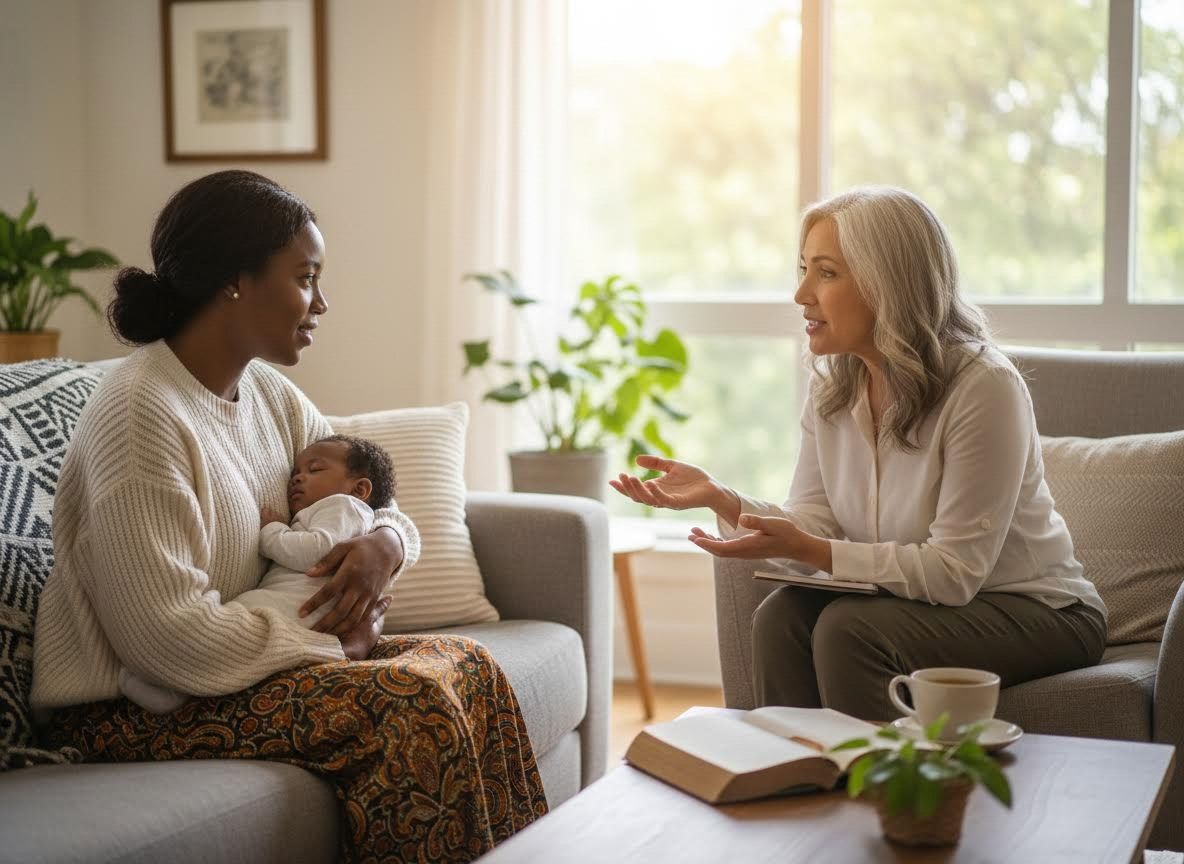
Healing generational wounds is a holistic process that involves understanding, processing, and integrating past experiences while building new coping mechanisms. This journey often benefits from tailored support, such as one on one counseling, which offers a personalized approach to your unique needs. Culturally responsive care is paramount, ensuring that your background and experiences are not just understood but celebrated and integrated into your healing process. Techniques like mindfulness can help you stay grounded in the present, while evidence-based practices can equip you with tools to manage anxiety and find inner peace. For new mothers, understanding how generational patterns might intersect with the challenges of motherhood, especially when considering the support of a postpartum depression therapist, is a vital part of this healing.
Building a Legacy of Resilience and Empowerment
The decision to heal generational wounds is a profound act of self-love and a powerful gift to future generations. By doing this work, you are not only transforming your own life but also creating a legacy of resilience, strength, and emotional well-being for your family line. It's about shifting from survival to thriving, fostering a future where compassion and understanding lead the way. This path forward is about breaking restrictive molds and stepping into your authentic power, creating a life that is truly your own.
Embarking on the journey of healing generational wounds is a testament to your incredible strength and desire for a more fulfilling life. By addressing the deep-seated impacts of intergenerational trauma, you open the door to profound personal growth and lasting peace. If you're ready to explore how online clinical mental health counseling can support you in transforming your inherited narratives, we invite you to learn more about our trauma-informed and culturally responsive approaches.